






Traumatic brain injuries are among the most serious consequences of a motor vehicle collision, yet they are also some of the most frequently overlooked. After a crash, victims often focus on visible injuries such as cuts, fractures, or bruising, while internal trauma goes unnoticed.
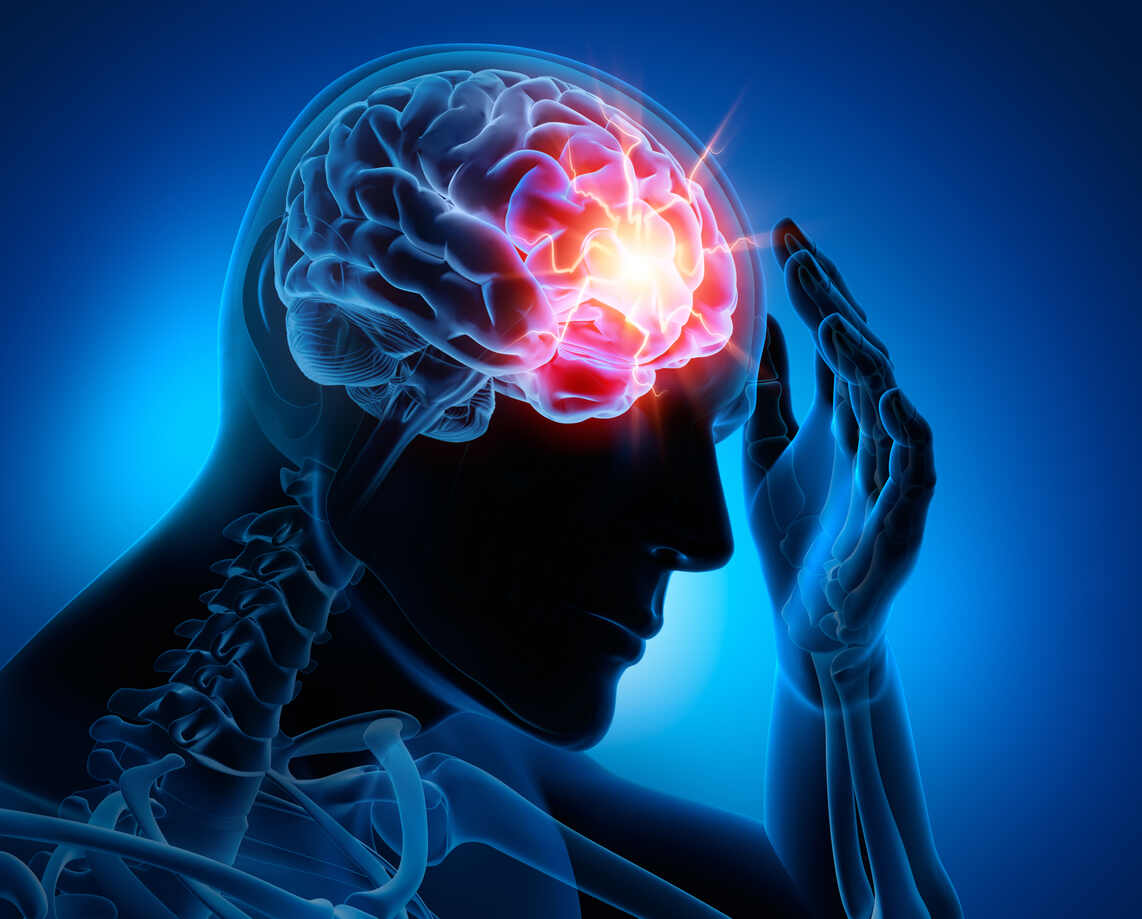
Because symptoms of a traumatic brain injury can develop slowly or appear mild at first, many people walk away believing they escaped significant harm—only to discover complications days, weeks, or even months later. Understanding why these injuries go undiagnosed is crucial for protecting your health and your legal rights.
The Hidden Nature of Many Traumatic Brain Injuries
Unlike broken bones or lacerations, traumatic brain injuries do not always leave obvious signs at the scene of a crash. The brain can sustain significant damage from sudden acceleration, deceleration, or impact, even when the skull remains intact. This means a person can suffer a concussion or more serious brain trauma without losing consciousness or showing immediate symptoms.
After a collision, adrenaline often masks pain and disorientation. Victims may feel shaken or fatigued and assume it is simply the emotional aftermath of the event. Because these early signs can seem harmless, people frequently delay medical care, allowing dangerous complications to develop unchecked.
Symptoms That Are Easy to Miss or Misinterpret
Many early symptoms of a traumatic brain injury mimic common post-crash reactions, making them easy to overlook. Headaches, dizziness, nausea, blurred vision, difficulty concentrating, and mood changes are often attributed to stress, shock, or whiplash. In some cases, symptoms do not appear until swelling or chemical changes in the brain progress over time.
More subtle signs can include:
- Trouble sleeping.
- Increased sensitivity to noise or light.
- Short-term memory issues.
- Irritability or anxiety.
- Slowed thinking or confusion.
Because these symptoms develop gradually, many crash victims do not connect them to brain trauma until they begin interfering with daily life.
Why Emergency Rooms Sometimes Miss TBIs
Even when victims seek prompt treatment, traumatic brain injuries can still go undiagnosed. Emergency rooms prioritize life-threatening injuries, and unless the crash victim shows clear signs of neurological distress, a brain injury may not be immediately suspected. Standard imaging tests, such as CT scans, often appear normal for concussions or mild traumatic brain injuries, which involve microscopic changes that are not visible on early scans.
Additionally, crash victims may downplay symptoms during intake because they are overwhelmed, anxious, or unsure what to report. Without a complete description of cognitive or emotional changes, medical providers may miss the signs of developing TBI.
The Impact of Delayed Diagnosis on Recovery
When a traumatic brain injury goes undiagnosed, victims risk worsening symptoms and prolonged recovery. Untreated TBIs can lead to chronic headaches, sleep disorders, vision problems, difficulty focusing, emotional instability, or long-term cognitive impairment. For some individuals, a delayed diagnosis can mean months or years of missed work, strained relationships, and significant financial challenges.
Prompt medical evaluation, including follow-up appointments and neurological assessments, can help identify hidden brain injuries early, improving the chances of effective treatment and preventing complications.
Why Undiagnosed TBIs Can Complicate Insurance Claims
Insurance companies often question the severity of traumatic brain injuries when there is no immediate diagnosis following a crash. Adjusters may argue that symptoms are unrelated, exaggerated, or caused by preexisting conditions. Without strong medical documentation, victims may face an uphill battle in securing compensation for long-term care, rehabilitation, or lost income.
Our skilled personal injury attorney can help gather medical records, consult experts, and build a clear timeline showing when symptoms began and how the crash caused them. This support is especially critical when symptoms develop slowly or are initially overlooked by medical providers.
How Elmore Law Office Supports TBI Victims in New Hampshire
Traumatic brain injuries often go undiagnosed because their symptoms are subtle, delayed, or mistaken for routine post-crash stress. Elmore Law Office understands the complexities of these cases and works with medical professionals to ensure that each client receives a thorough evaluation. Our Portsmouth personal injury attorney builds strong claims that reflect the full impact of a brain injury, including medical treatment, time away from work, cognitive challenges, and long-term care needs.
If you believe you suffered a traumatic brain injury after a crash in New Hampshire, reach out to Elmore Law Office at (603) 929-1117 or fill out our online contact form for a free consultation. Early legal and medical intervention can make a significant difference in both your recovery and your financial future.
About The Author