






Slip-and-fall injuries can occur anywhere, but they are especially common in busy commercial settings such as restaurants, retail stores, grocery stores, hotels, and office buildings. In Portsmouth, where foot traffic is heavy year-round and weather conditions can change quickly, hazardous conditions inside and outside businesses often lead to serious injuries.
At Elmore Law Office, our New Hampshire personal injury attorney represents individuals injured in slip and fall incidents caused by unsafe business premises. Understanding who may be legally responsible is a critical step toward protecting your health and your right to compensation.
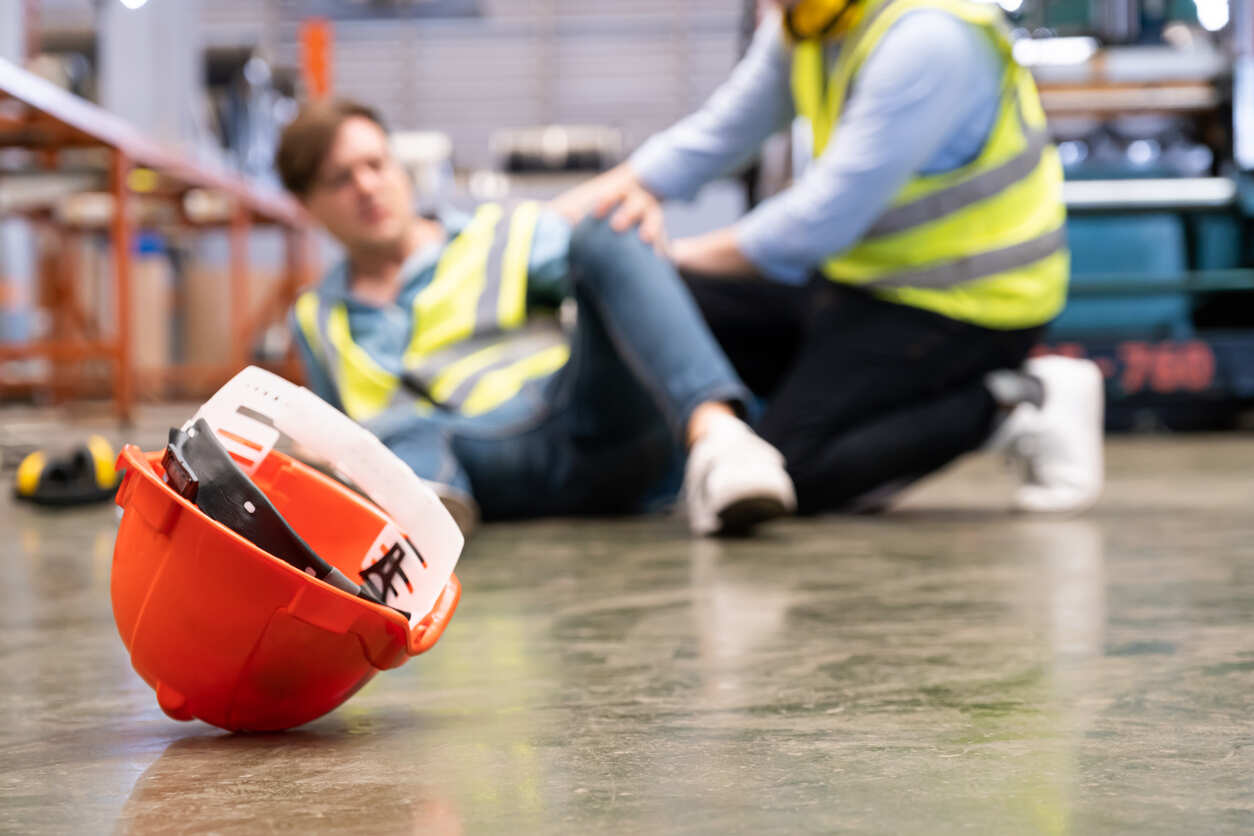
Why Slip and Fall Injuries Are Often More Serious Than They Appear
Many people assume a slip-and-fall is minor or embarrassing. In reality, these incidents frequently cause significant injuries, particularly for older adults or individuals carrying packages, wearing winter footwear, or navigating crowded spaces.
Common slip and fall injuries include:
- Traumatic brain injuries and concussions.
- Broken hips, wrists, or ankles.
- Spinal injuries and herniated discs.
- Torn ligaments and soft tissue damage.
- Long-term mobility limitations.
These injuries can lead to surgery, extended rehabilitation, and time away from work, with lasting physical and financial consequences.
Common Hazards Inside and Outside Portsmouth Businesses
Slip-and-fall accidents usually result from preventable hazards. Business owners and operators have a legal duty to maintain reasonably safe conditions for customers and visitors.
Common hazards include:
- Wet or freshly mopped floors without warning signs.
- Snow, ice, or slush tracked into entryways.
- Uneven flooring, loose mats, or torn carpeting.
- Poor lighting in stairwells or parking areas.
- Spills or debris left unattended.
- Broken handrails or damaged steps.
In a coastal city like Portsmouth, rain, snowmelt, and foot traffic can quickly create dangerous conditions if not properly managed.
Understanding Premises Liability in New Hampshire
Premises liability is a legal concept that refers to a property owner or occupier’s responsibility to keep their premises reasonably safe. In New Hampshire, businesses that invite the public onto their property owe customers a duty of care to address hazards they know about or should reasonably discover.
To establish a slip and fall claim, an injured person generally must show:
- The business owed a duty of care to maintain safe conditions.
- A hazardous condition existed on the property.
- The business knew or should have known about the hazard.
- The business failed to correct the hazard or warn visitors.
- The hazardous condition caused the injury.
Each case depends on the specific facts, including how long the hazard existed and what steps the business took to address it.
Who May Be Held Legally Responsible
Liability for a slip-and-fall injury does not always rest with a single party.
Depending on the situation, responsibility may fall on:
- The business owner.
- A commercial tenant leasing the space.
- A property management company.
- A maintenance or cleaning contractor.
- A snow and ice removal company.
Determining who controlled the area where the fall occurred is essential to identifying the correct defendant and pursuing a successful claim.
The Role of Weather in Slip and Fall Claims
Weather-related falls are common in New Hampshire, but weather alone does not excuse unsafe conditions. While businesses are not expected to eliminate every risk during an active storm, they are required to take reasonable steps to address hazards within a reasonable timeframe.
Failure to clear entryways, treat icy walkways, or manage indoor wet floors after storms may still lead to liability. Each situation requires careful analysis of timing, maintenance efforts, and local conditions.
What To Do After a Slip and Fall at a Business
The actions taken after a slip-and-fall can significantly affect a legal claim.
After an injury, individuals should, if able:
- Report the incident to the business and request an incident report.
- Take photos of the hazardous condition if possible.
- Obtain contact information for witnesses.
- Preserve footwear and clothing worn at the time.
- Seek medical attention immediately.
- Avoid discussing fault or giving recorded statements to insurers without legal advice.
Prompt documentation helps preserve evidence that may disappear quickly.
How Insurance Companies Defend Slip and Fall Claims
Insurance companies often challenge slip and fall claims by arguing that the hazard was obvious, that the injured person was careless, or that the business acted reasonably. They may also dispute the seriousness of the injuries.
Strong claims rely on evidence demonstrating that the business failed to act responsibly and that the injuries resulted directly from that failure.
How Elmore Law Office Helps Slip and Fall Victims
Elmore Law Office understands how quickly slip-and-fall cases can become complex. Our firm investigates the circumstances of the fall, identifies all responsible parties, and builds claims that reflect the full impact of the injury.
We work to:
- Gather and preserve evidence.
- Review maintenance and inspection records.
- Consult with experts when necessary.
- Handle insurance communications.
- Pursue compensation for medical bills, lost income, and pain and suffering.
Our approach is focused on clarity, accountability, and client support.
Contact Elmore Law Office Today
If you were injured in a slip and fall at a Portsmouth business, you may have legal options under New Hampshire law. Our trusted Slip and Fall attorney Portsmouth, Elmore Law Office, is ready to review your case, explain your rights, and help you pursue fair compensation.
Contact Elmore Law Office today at 603-929-1117 or fill out our online form to schedule a free consultation.
About The Author