





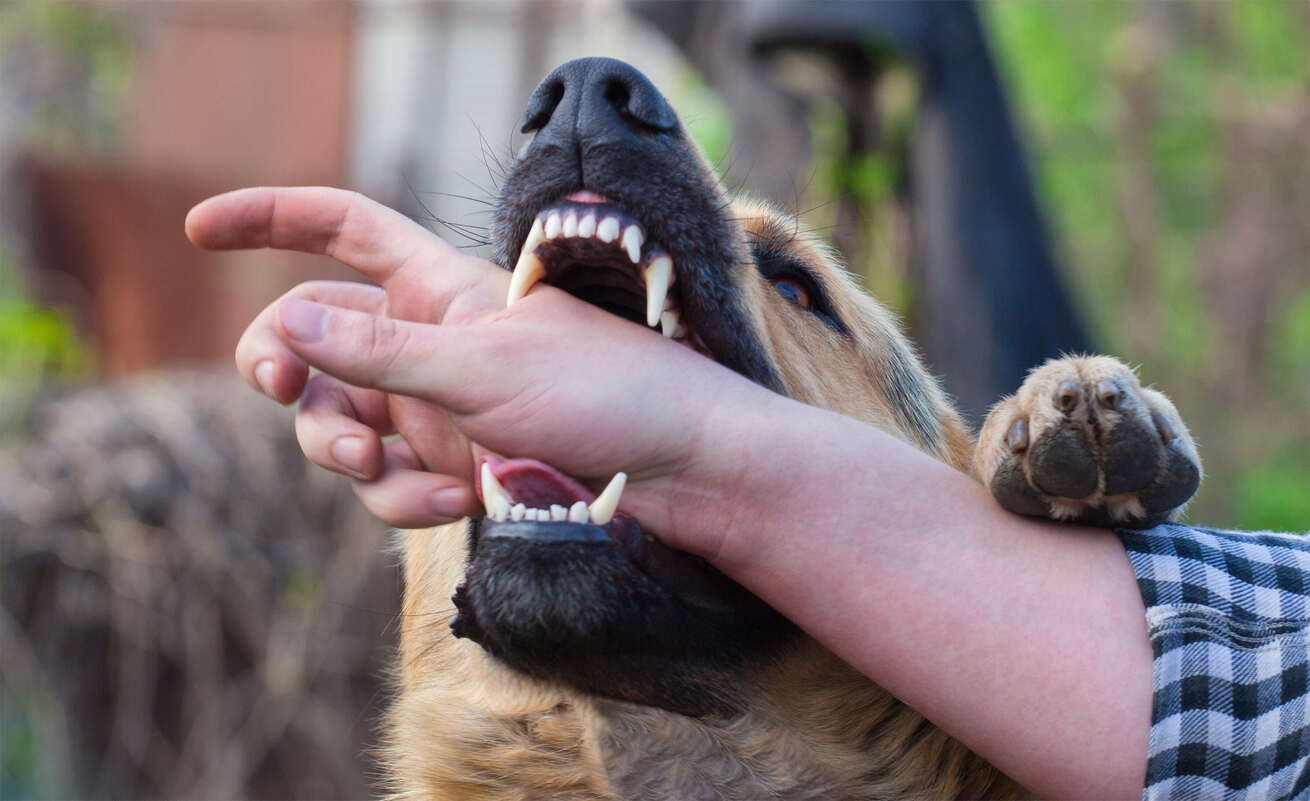
Injury victims often misunderstand dog bite claims. Many people assume these cases are straightforward, especially in states like New Hampshire and Massachusetts, where dog owners can be held legally responsible even without a history of aggression. In reality, insurance companies frequently fight these claims hard from the very beginning, particularly when injuries are severe or involve children.
Understanding why insurers take this approach helps explain why early missteps can weaken otherwise strong claims.
Homeowner’s Insurance Usually Covers Dog Bite Claims
Most dog bite claims are not paid out of a dog owner’s pocket. Instead, they are handled through homeowner’s or renter’s insurance policies. That alone changes the dynamic of the case.
Insurance companies treat dog bite claims as liability exposure, not as isolated incidents. Once a claim is opened, the insurer’s focus shifts to limiting payouts, controlling precedent, and protecting the policyholder from increased premiums or policy cancellation. This often leads to aggressive investigation and resistance, even when liability seems clear.
Strict Liability Does Not Mean Automatic Payment
Both New Hampshire and Massachusetts impose strong liability rules on dog owners, but insurers frequently seek to narrow or avoid their liability.
In Massachusetts, dog owners are generally strictly liable for injuries caused by their dogs, meaning the injured person does not have to prove the owner knew the dog was dangerous. New Hampshire also allows injured victims to pursue claims without proving prior aggressive behavior in many situations.
Despite this, insurers often try to introduce doubt by questioning the circumstances of the bite. Common tactics include arguing that the injured person provoked the dog, was trespassing, or assumed the risk by interacting with the animal. These arguments are frequently raised even when evidence suggests otherwise.
Injuries Are Often More Severe Than Insurers Admit
Dog bites frequently cause injuries that go far beyond surface wounds. Victims may suffer nerve damage, infections, permanent scarring, or psychological trauma. Children are especially vulnerable, both physically and emotionally.
Insurance companies often downplay the seriousness of these injuries early in the claim. Initial settlement offers may focus solely on emergency treatment, ignoring future medical care, scar revision, counseling, or long-term effects. Once a claim is settled, those future needs are typically no longer compensable.
This is one reason insurers push for early resolutions before the full extent of the injuries is known.
Familiar Relationships Complicate Claims
Many dog bite cases involve neighbors, friends, or family members. Insurance companies are well aware that injured people may feel uncomfortable pursuing a claim against someone they know.
Insurers may subtly rely on this discomfort by delaying responses, making low offers, or framing the claim as unnecessary or excessive. In reality, these claims are about accessing insurance coverage, not assigning personal blame. When insurers exploit personal relationships, injured victims often end up absorbing costs that insurance was intended to cover.
Children’s Claims Receive Heightened Scrutiny
When a child is bitten, insurers often become even more defensive. Child injury claims can involve long-term medical care, future cosmetic procedures, and emotional harm that may not fully emerge for years.
Because of this potential exposure, insurers frequently challenge causation, severity, and future damages. They may argue that scars will fade, that emotional trauma is temporary, or that treatment recommendations are excessive. These arguments can significantly reduce compensation if they go unchallenged.
Why Early Legal Strategy Matters in Dog Bite Cases
Dog bite claims are rarely just about proving the bite occurred. They involve policy exclusions, coverage limits, liability defenses, and medical documentation, all of which must be handled carefully from the outset.
Early statements, medical gaps, or casual communications with insurance adjusters can be used later to minimize or deny claims. Our attorneys approach dog bite cases with the understanding that insurers often plan their defense strategy immediately, even when the injured person has not yet sought legal guidance.
Protecting Your Claim Starts Early
Dog bite injuries can have lasting consequences, especially when insurers resist fair compensation. Understanding why insurance companies fight these cases helps explain why careful handling from the beginning is so important.
Speak With Our Attorneys About Your Dog Bite Claim
If you or your child has been bitten by a dog in New Hampshire or Massachusetts, our Portsmouth personal injury attorneys can help you understand your rights, deal with the insurance company, and pursue compensation that reflects the full impact of the injury. Early guidance can make a meaningful difference in how these claims are resolved.
Call Elmore Law Office today at (603) 929-1117 or complete our online contact form to schedule a free consultation.
About The Author